



ESD Test and Measuring Instruments
ESD test and measuring instruments perform different jobs: testing personnel-grounding systems, checking material resistance, monitoring connections or investigating static conditions. Organise the range by the quantity or function being checked.
How to evaluate ESD test & measuring instruments & equipment
Compare measurement method, range, test voltage and accessories together. Keep entry testers separate from continuous monitors and static-voltage meters. Request the correct model datasheet and calibration scope, and align configured limits with the facility’s actual ESD control plan.
Relevant products and configurations
- Wrist Strap and Dual-Footwear Combo Tester
- Wrist Strap and Footwear Tester
- 9V LED Surface Resistivity Meter
- Digital LCD Surface Resistance Meter
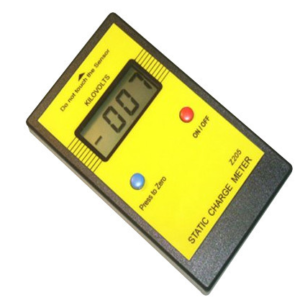
- Digital Static Charge Meter
- SC-01 Human Body Voltage Checker
Choosing ESD test and measuring instruments for the required check
Start with the property and method being assessed
Different ESD test and measuring instruments answer different questions. Personnel testers, surface-resistance instruments, static meters and continuous monitors should be compared according to their function rather than grouped as interchangeable meters. Identify the item or person being checked, the property required by the control plan and the approved method. A surface measurement is different from a personnel entry check or a monitor’s connection indication. Stating the required measurement first makes it easier to identify the appropriate instrument, probes and records for the facility’s actual verification task.
Confirm the complete instrument and accessory arrangement
Ask for the exact model, supplied leads, probes, footplates or electrodes and the relevant operating instructions. Test voltage, range, indication and connection requirements are model-specific and should be verified from the current product documentation. A probe listed separately may not include a meter, while a combined personnel tester may use accessories different from a wrist-only unit. Confirm what is supplied and what the test method requires. Do not infer compatibility or pass settings from another model elsewhere in the catalogue, even when the names look similar.
Calibration, records and the response to a result
Requirements and responsibilities
Identify the calibration documentation, interval policy and traceability requirements relevant to the facility before placing the order. Ask which documents are included with the quoted instrument and who is responsible for future calibration or functional checks. Operators should follow the approved method and know how to record the instrument identity, conditions and outcome where required. A displayed pass or fail is meaningful only in relation to the instrument’s verified settings and the applicable procedure. Use the verified settings for the exact tester and check which instruments and accessories the calibration documentation identifies.
Comparing the complete scope
ESD instrument price comparisons should match the model, measurement function, accessories and documentation scope. Include the intended test, quantity and location in the enquiry, and request clarification where an existing listing mixes the specifications of different versions. An ESD audit can help define the checks required within a facility review, while training can address how staff follow the procedure. These are separately scoped activities and should not be implied to come automatically with an instrument purchase or to be replaced by possession of the meter alone.
How to prepare a useful enquiry
Describe the requirement and the present arrangement
Share the facility location, application and the outcome you need. Include the current equipment or procedures where they affect the requirement, and identify the people responsible for technical and purchasing decisions. A focused brief makes it easier to distinguish essential requirements from optional features and to resolve missing information before the proposal is prepared.
Compare the confirmed scope and deliverables
Ask for a written proposal that identifies the items or activities included, the relevant documentation and the responsibilities of each party. Compare the same scope when reviewing prices, and clarify exclusions that affect the planned work. Keep changes and final acceptance decisions in the project record so that later supply or follow-up work can be matched to the agreed requirement.
Frequently asked questions
Can one ESD tester perform every facility check?
Select instruments according to the properties and methods required. A personnel entry tester, resistance meter and static meter have different roles. Verify the exact capabilities and accessory needs of the proposed model rather than assuming the general ESD label means that one instrument covers every measurement.
Does a tester’s pass indication prove complete compliance?
It indicates the outcome of a specific check under the instrument’s settings and procedure. It should not be presented as proof of every aspect of a person, product or facility’s compliance. Define the test basis, verify the equipment and follow the facility’s required response and record-keeping process.
Related products and services
For combined entry checks, compare the wrist strap and footwear tester with wrist-only and dual-footwear alternatives.
Define the measurements needed for an ESD Audit before selecting the instrument set.
Use ESD Training where operators need to understand the prescribed checks and response procedures.
ESD test and measuring instruments: prices and buying information
Before you buy the ESD test and measuring instruments, compare the exact specification and required quantity. Ask for ESD test and measuring instruments prices in India with availability, taxes and delivery charges confirmed in the quotation. Contact PBSS with your application, location and required quantity or service scope. Ask for the current specification, proposal and responsibilities for the work being considered.
Showing 1–12 of 15 results
-
Digital LCD Surface Resistance Meter
ESD Test and Measuring Instruments Original price was: ₹28,750.00.₹22,425.00Current price is: ₹22,425.00. -
PBSS-ESD Access Control Systems
ESD Test and Measuring Instruments Original price was: ₹58,190.00.₹44,850.00Current price is: ₹44,850.00. -
SRM-02 100V Surface Resistivity Meter
ESD Test and Measuring Instruments Original price was: ₹28,750.00.₹22,425.00Current price is: ₹22,425.00. -
Static Discharge Palm Plate with Cord
ESD Test and Measuring Instruments Original price was: ₹2,836.76.₹1,955.00Current price is: ₹1,955.00.